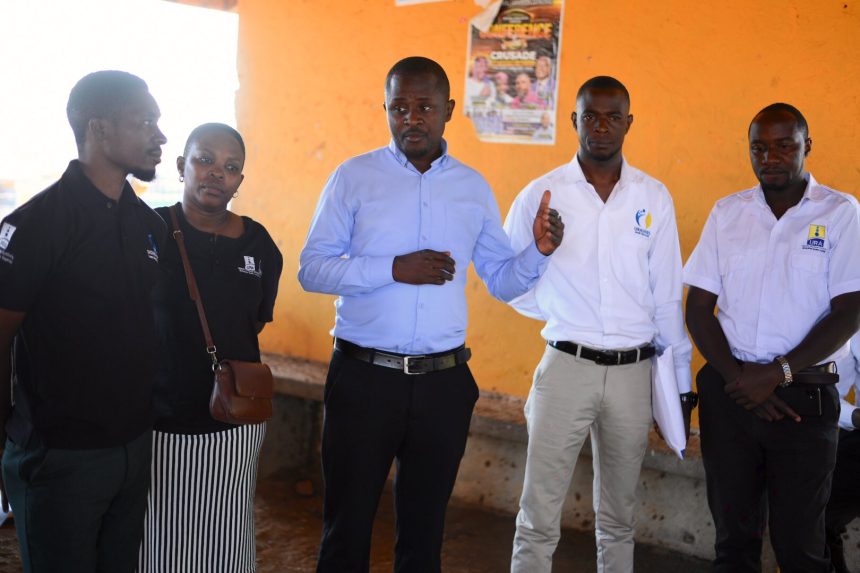

URA conducted high-impact tax education engagements in Lwamata Town Council (Kiboga District) and Ntwetwe Town Council (Kyankwanzi District). The activities included mobile drives and door-to-door outreaches, all strategically implemented to foster a tax-compliant culture within the region.
Building on these initiatives, the mobile drive focused on teaching the taxpayers about key areas such as TIN registration, its significance, eligibility requirements, and different tax types administered by URA. The drive also highlighted the rights and obligations of taxpayers, as well as the ongoing tax waiver.
Similarly, during the door-to-door engagements, the team interacted with various business owners and taxpayers, addressed their concerns, and emphasised the importance of self-compliance.
A boutique owner in Lwamata – Edith Nankya, encouraged URA to strengthen collaboration with local leaders for more effective outreaches. “If URA worked closely with our leaders, paying taxes would be simpler. These leaders are always with us. They can always remind us what to do and advise us on our tax concerns,” Edith suggested.
In Ntwetwe, Soul Rubega, a wholesaler and Chairperson of the Ntwetwe Traders’ Association, appreciated URA officials for their efforts to educate local traders.
“A few years back, URA was a scary factor for us. We would close our shops and hide because they never listened to us. But now, I want to thank you for the new, friendly approach you’ve taken. We no longer fear URA. We sit with you, explain our challenges, and you guide us,” Rubega said.
He further urged URA to conduct sensitisation on the Digital Tax Stamps (DTS) before carrying out enforcement operations. Rubega also proposed that enforcement should begin at the factory level to prevent non-compliant goods from reaching the market to save traders from huge losses when goods are seized after being stocked.
In his closing remarks, Rubega called for stronger collaboration between URA and other regional revenue bodies to curb the cross-border importation of illegal products, such as counterfeit cigarettes, which pose health risks to Ugandans.